Energy Drink Myths You've Probably Fallen For
The energy drink space is packed with noise—flashy cans, big claims, and a whole lot of confusion. Let's clear things up with science-backed truth.
Energy Drink Myths You've Probably Fallen For
The energy drink space is packed with noise—flashy cans, big claims, and a whole lot of confusion. With so much mixed information out there, it's easy to latch onto ideas that sound true but aren't backed by science or real product knowledge.
Let's clear things up.
Myth #1: "Energy drinks just give you a sugar rush."
The truth: Yes, some older or cheaper energy drinks relied heavily on sugar, which can spike your blood glucose and cause a mid-day crash. But modern, cleaner formulations have moved far beyond that.
Many new-generation drinks use low-glycemic sweeteners or natural alternatives that provide energy without pushing your blood sugar into roller-coaster mode. Real energy comes from balanced ingredients, not sugar overload.
Myth #2: "Caffeine is caffeine—they're all the same."
The truth: Synthetic caffeine and natural caffeine behave differently. Synthetic caffeine absorbs fast and hits your system all at once, which can cause jitters and an abrupt drop later.
Plant-based caffeine from sources like green tea, yerba mate, or coffee fruit releases more gradually and often comes with natural compounds (like L-theanine) that support calm focus. The result feels smoother, steadier, and more "in sync" with your body.
Myth #3: "Energy drinks dehydrate you."
The truth: Caffeine is mildly diuretic, but not enough to dehydrate you unless you drink extremely large amounts. Most energy drinks are primarily water—and many include electrolytes or mineral salts that actually support hydration.
Clean formulations with moderate caffeine + electrolytes can help maintain fluid balance, not ruin it.
Myth #4: "They'll make your heart race no matter what."
The truth: High-caffeine, high-sugar products can cause a noticeable spike for some people—but that's not universal to the entire category. What matters is the dose, source, and supporting ingredients.
Balanced products that use moderate caffeine and calming compounds like L-theanine, B-vitamins, or adaptogens generally provide steady alertness without that uncomfortable "racing" sensation.
Myth #5: "Clean energy drinks are just marketing—they're all the same inside."
The truth: There's a real difference between a formula built for buzz and a formula built for performance. Clean energy drinks avoid things like artificial colors, corn syrup, and synthetic chemicals and focus on:
- plant-based caffeine
- natural sweeteners
- botanicals that support focus
- ingredients your body actually recognizes
A cleaner label usually means a cleaner feeling.
The Truth About Real Energy
Real energy should feel smooth, steady, and supportive, not overwhelming. It should help you focus, stay on task, and feel balanced—not jittery, wired, or exhausted later.
By choosing energy made from natural caffeine, clean ingredients, and smart formulation, you're supporting both your day-to-day performance and your long-term wellness.
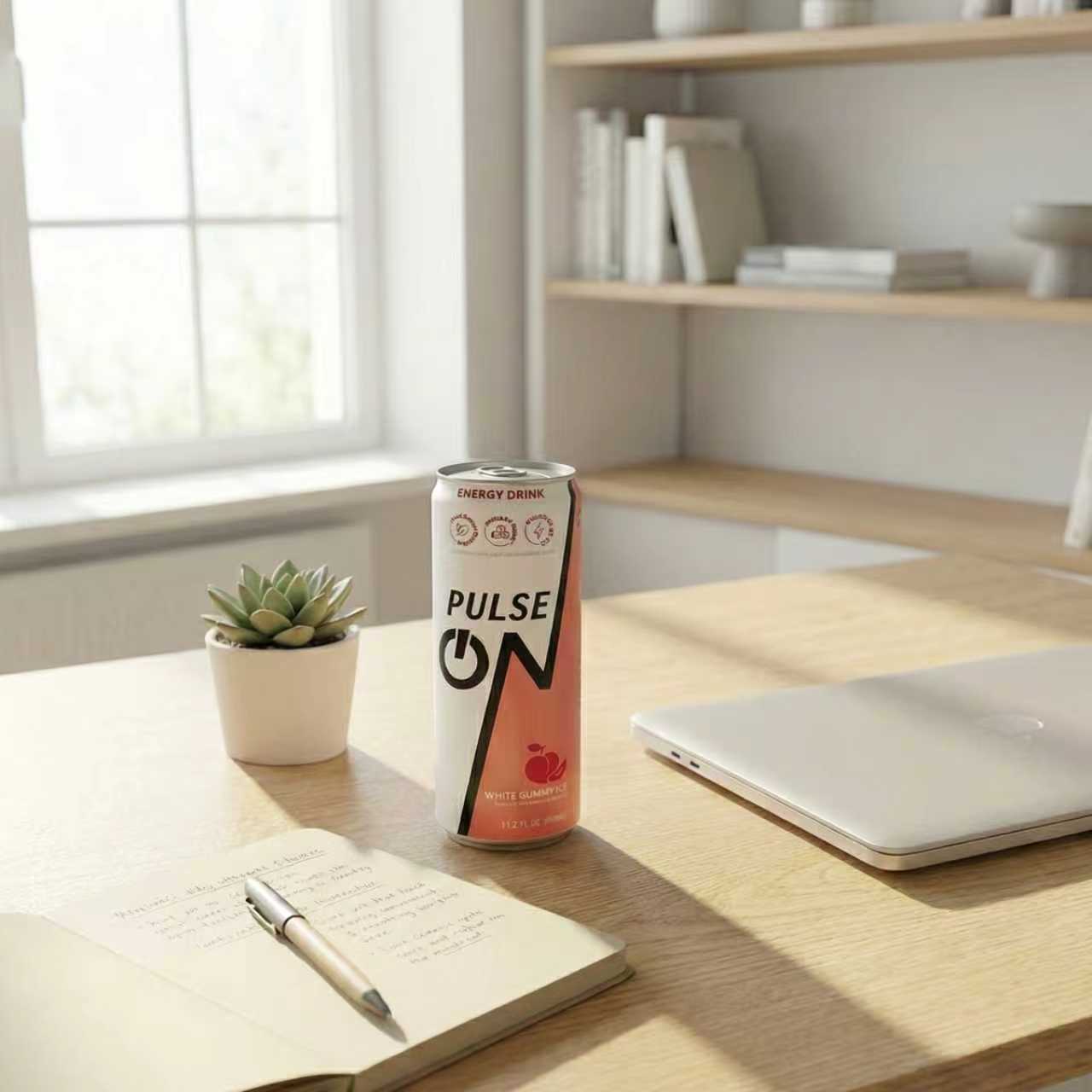
With PulseOn, you can Activate Your State the natural way—no crashes, no chaos, no compromises.